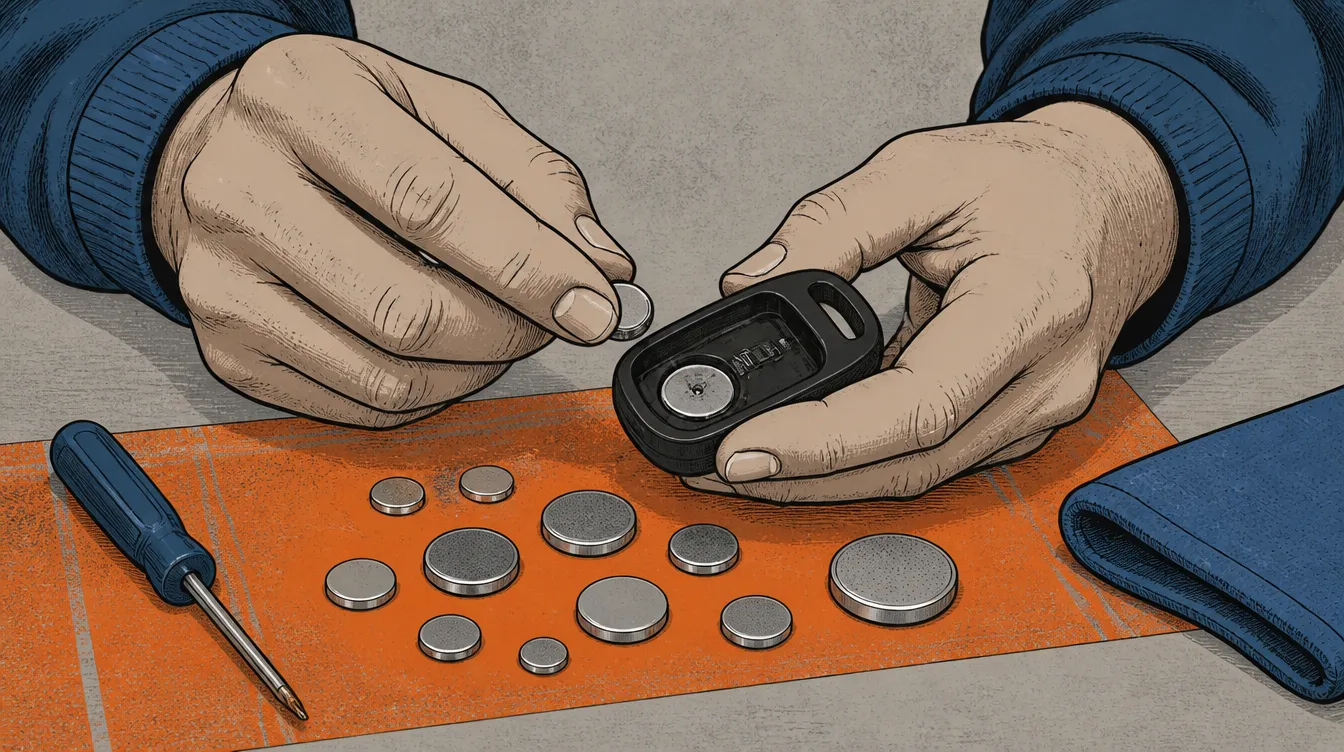
Small batteries are confusing precisely because they all look similar and none of them are interchangeable. A 123A is not a 23A, a CR2450 is not an LR44, and swapping one for the "close enough" size in a flashlight, key fob, or medical device can mean a dead gadget or a leaking cell. No dedicated coin cell or 123-battery shootout exists in the testing corpus behind this guide, so this is an explainer first, backed by real lithium cell testing data on the underlying question that matters most for any small battery: does the number printed on the wrapper match what the cell actually delivers.
The 9 sizes, explained
123A / CR123A: A 3-volt lithium cylindrical cell, larger than an AA but shorter, common in high-output flashlights, some cameras, and home security sensors. Not rechargeable in its standard lithium form, though rechargeable RCR123A versions exist at a different voltage.
AG3 / LR41: A tiny 1.5-volt alkaline button cell, common in small toys, thermometers, and some watches. Frequently confused with the similarly sized LR44 but not interchangeable due to different height.
CR1220: A 3-volt lithium coin cell, about 12.5mm wide and 2mm thick, used in small remotes, glucose meters, and thin electronics.
CR123A lithium batteries: See 123A above; this is the standard full name for the same cell.
CR2450: A 3-volt lithium coin cell, 24.5mm wide, one of the larger coin cell sizes, used in larger remotes and some medical devices where more capacity is needed in a flat form factor.
LR44: A 1.5-volt alkaline button cell, extremely common in calculators, small toys, and laser pointers, and one of the most frequently mis-substituted sizes because several visually similar cells exist at slightly different heights and voltages.
Maxell LR44: The same LR44 size and voltage, called out separately here because Maxell is one of the more commonly recommended name brands for this size, often cited for more consistent quality control than generic alternatives.
23A: A 12-volt alkaline cylindrical battery, much higher voltage than its small size suggests, used in key fobs, garage door remotes, and some alarm systems. Easy to confuse with 123A due to the similar name, but a completely different voltage and application.
377 battery: A 1.5-volt silver oxide button cell, commonly used in watches, valued for a flatter discharge curve than alkaline equivalents of similar size.
What the testing showed
No test in this corpus covers coin cells or 123-style lithium batteries directly. The closest available data comes from Project Farm's 18650 lithium battery comparison, a different cell format (cylindrical, rechargeable, used mostly in flashlights and battery packs rather than watches or remotes) but the same underlying battery chemistry family and the same core question: does the printed capacity rating hold up.
The test measured 12 lithium cells from LG, Samsung, Panasonic, Sony, and several budget import brands (BXE, Ultrafire, ETSAIR, CASTNOO) against their rated capacity in milliamp hours.
Name brands mostly matched their claims, budget imports did not
LG, Samsung, Panasonic, and Sony cells, priced from 2.99 to 7.89 dollars, all carried realistic rated capacities in the 2,500 to 3,500 mAh range that reflected genuine, achievable lithium cell chemistry limits for that cell size.
The budget import brands told a very different story. BXE and Ultrafire both claimed 9,800 mAh, a figure that exceeds what is physically possible for a cell of that size given known lithium-ion energy density. ETSAIR claimed an even higher 9,999 mAh. None of these inflated claims are physically achievable in a standard 18650-size cell, and the test's own framing treats them as marketing fiction rather than measured results worth taking at face value.
How to read this for your own purchase
Since coin cells and 123-style batteries were not directly tested, apply the same lesson the 18650 data makes obvious: a small battery's printed capacity is only as trustworthy as the brand behind it, and that gets more important, not less, the smaller and cheaper the cell is.
Buy from an established brand for anything that matters. Energizer, Duracell, Panasonic, and Maxell are the names most consistently recommended for coin cells and 123-size batteries, the same pattern the cited lithium cell test shows for larger cylindrical cells: recognized brands with real manufacturing behind them clustered around realistic, achievable numbers, while unfamiliar import brands made claims that do not hold up to basic physics.
Never guess on size or voltage. The confusion between 123A and 23A, or between LR44 and its visually similar neighbors, is common enough that manufacturers print the exact replacement size on most devices. Match that code precisely rather than eyeballing a similar-looking battery at the store.
A few universal rules that apply to any small battery purchase:
- A capacity or output claim that sounds too good for the cell's physical size probably is. The same energy-density limits that expose fake 9,800 mAh claims on cylindrical cells apply just as much to inflated claims on coin cells and specialty lithium batteries.
- Check the expiration or manufacture date, especially on lithium coin cells, since these lose capacity on the shelf even unused.
- Buy from a retailer with real turnover, since a battery that has been sitting in a rack for years loses capacity before it ever reaches your device.
For more battery types measured against their own claims, browse the batteries and power banks hub.