Traditional car wax, the carnauba paste kind that gets rubbed on and buffed off, has been getting quietly replaced on store shelves by ceramic coatings that promise longer-lasting shine and better water beading with less elbow grease. That shift raises an honest question for anyone standing in the detailing aisle: is it worth skipping the classic wax entirely and buying into ceramic instead?
Here is the honest situation: there is no dedicated, brand-versus-brand traditional carnauba wax test in the testing corpus this site draws from yet. What does exist is a genuinely useful, closely related comparison: eight ceramic coatings, the product category that has largely taken over the shine-and-protection role wax used to hold, tested side by side for ease of application and paint slickness. That data is directly relevant to anyone deciding between the two product types.
What the testing showed
The available data comes from Project Farm's ceramic coating comparison, which tested eight products ranging from 8 to 150 dollars.
The test measured paint slickness (using a weighted sponge dragged across the coated surface, measured in pounds of force, with bare unprotected paint used as a control baseline), ease of application, and cure time across all eight products.
Adam's dominated the shine and slickness results
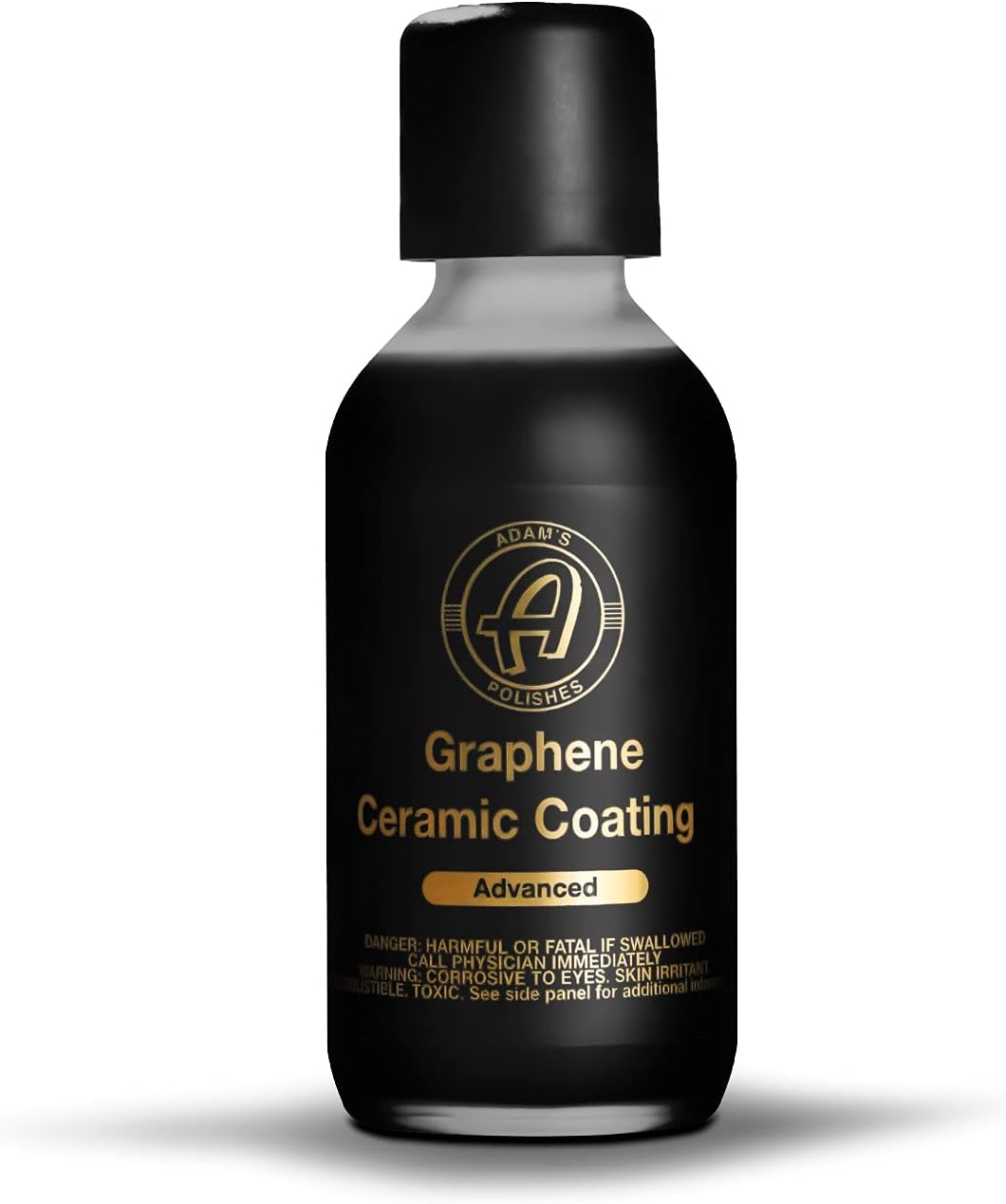
Winner
Adam's
Price shown in test: $150, the most expensive coating tested
Affiliate link. We may earn a commission at no extra cost to you.
Adam's, at 150 dollars, the most expensive coating tested, was declared the clear overall winner. The tester's verdict: "So, which ceramic coating is the best? And the Adam's totally dominated the showdown finishing in first place." It requires real commitment to apply, curing over 24 hours and needing to be worked in 3-foot by 3-foot sections in a crosshatch pattern, taking about as much time to apply as the next slowest product and unable to be wiped away immediately like the spray-on options.
The budget pick performed well above its price point
Hybrid Solutions, at just 15 dollars, was the tester's specific pick for best performance-to-effort ratio: very easy to apply with minimal effort, buffing to a genuinely shiny finish, and the tester noted it had performed well in a previous ceramic coating review too, suggesting a consistent track record rather than a one-time result.

Budget pick
Hybrid Solutions
Price shown in test: $15
Affiliate link. We may earn a commission at no extra cost to you.
Even the cheapest coating beat bare paint by a wide margin
Shine Armor, at 8 dollars, the cheapest coating tested, was very easy to apply with minimal effort. The test's bare, unprotected paint baseline measured just 4.5 pounds of force in the slickness test, used as the control for the entire comparison, meaning every coated product, even the cheapest, represented a real, measurable improvement over doing nothing at all.
Application method varied more than the marketing suggests
Nano Bond, at 38 dollars, uses a wipe-and-wait system rather than the more common spray-and-wipe approach most other products use, and it took about four to five times longer to apply than the spray-on options. That is a real time-cost difference buyers should factor in beyond the sticker price.

Runner-up
Nano Bond
Price shown in test: $38
Affiliate link. We may earn a commission at no extra cost to you.
How to read this for your own purchase
Since there is no direct wax-versus-wax data available, the honest recommendation is to treat this as a decision between two different product categories rather than a straight brand comparison. Ceramic coatings, based on the available data, generally trade more upfront application effort for a longer-lasting result than traditional wax, which needs to be reapplied far more frequently.
If you want the single best-performing ceramic coating regardless of effort, the tested data supports Adam's, with the honest caveat that it demands the most application time and technique of any product in the test.
If you want strong results with minimal hassle, Hybrid Solutions at 15 dollars was specifically praised for an excellent effort-to-shine ratio and a consistent track record across multiple tests.
If you are still committed to traditional carnauba wax rather than switching to a ceramic product, know that this specific body of testing does not include a direct wax comparison, so choose based on your own experience and reapplication tolerance rather than a data-backed brand pick from this corpus.
A few universal rules the available data supports:
- Any coating or wax beats bare paint by a meaningful margin. The unprotected paint baseline in this test measured dramatically lower slickness than every single tested product.
- Application time is a real cost, not just a footnote. A 24-hour cure and section-by-section crosshatch application, like the winning Adam's product required, is a genuinely different commitment than a quick spray-and-wipe product.
- Reapplication frequency matters as much as peak performance. Ceramic coatings are generally marketed to last longer between applications than traditional wax, which is a real practical advantage even for a coating that does not win an outright slickness test.
Want to compare more of the products that protect a car's finish? Browse the rest of the car care and detailing tests for wash soap, trim restorer, and other exterior care comparisons.