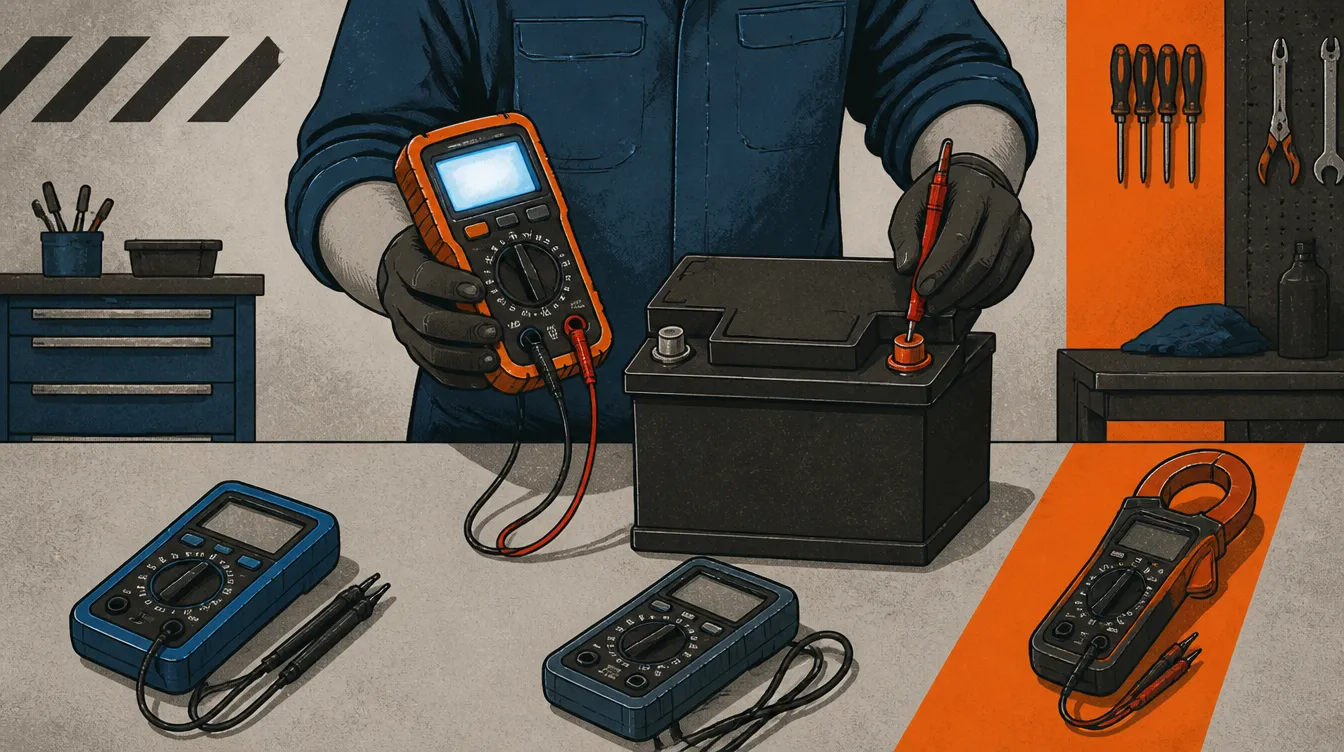
A digital multimeter is the one tool almost every home garage, electrician's bag, and electronics hobby bench has in common, and the accuracy claims on the box are almost impossible to verify without another, more expensive meter to check against. Every model claims a certain voltage accuracy, and the difference between a 15 dollar meter and a 300 dollar one often looks like nothing more than a bigger display and a fancier case.
Here is the honest situation upfront: there is no dedicated, brand-versus-brand multimeter bench test in the testing corpus this site draws from yet. What does exist is a closely related test that measures the same underlying skill, reading electrical values accurately under real conditions, on a different but comparable category of tool. That test is genuinely useful for understanding how this whole category of electronic diagnostic gear tends to perform, even though it is not a direct multimeter-brand ranking.
What the testing showed
The most relevant available data comes from Project Farm's car battery tester comparison, which tested 14 electronic diagnostic devices, all of which measure voltage and related electrical values, the same core function a multimeter performs.
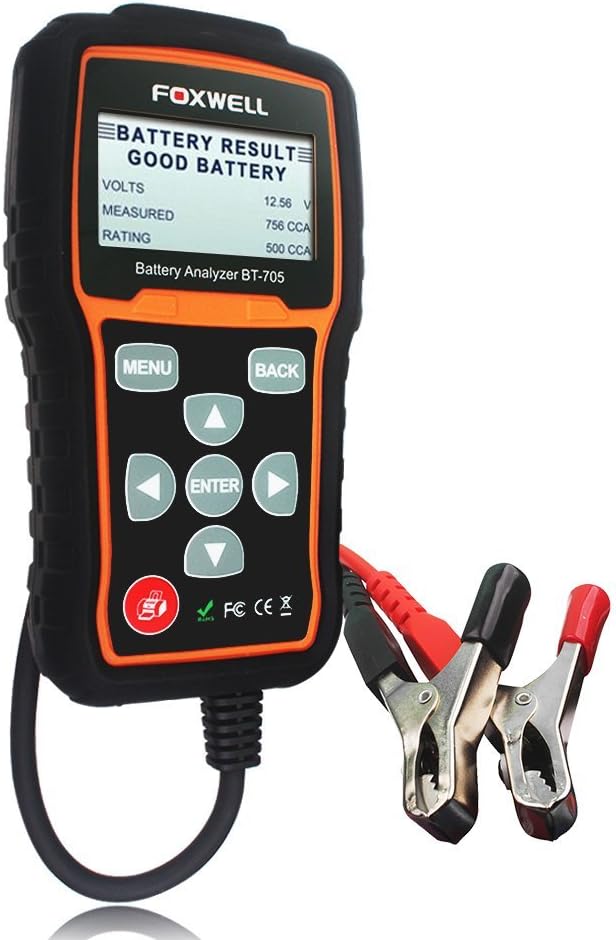
That test included a specific voltage-accuracy component (checked against a reference multimeter and a carbon pile load tester) alongside battery-health diagnosis features like cold cranking amps, internal resistance, and state of charge. Four of the fourteen testers, MotoPower 514A, Kingbolen, Vizdektor, and Foxwell, were singled out in the closing recap as the most accurate voltage readers of the whole group. Ancel, at 32 dollars, was named the overall winner and best value pick: "If it's all about value, the Ancel is the least expensive battery tester that earned A's or passed each test in all graded categories. At a price of around $32, it would definitely be my choice." At the other end of the price range, Midtronics, at 300 dollars, the most expensive device tested by a wide margin, actually lacked internal resistance and state-of-health measurement features present on units costing a fraction of the price, and it made an incorrect diagnosis on the cold-battery test.

Winner
Ancel
Price shown in test: $32
Affiliate link. We may earn a commission at no extra cost to you.
Runner-up
Foxwell
Price shown in test: $117
Affiliate link. We may earn a commission at no extra cost to you.
What this data does not tell you is which specific multimeter brand, Fluke, Klein, Innova, or any other name, reads voltage, resistance, and current most accurately under controlled bench conditions. That comparison has not been run in the testing this site indexes, and the pattern above (price not tracking cleanly with accuracy or feature completeness) is offered as a related, useful signal, not a substitute for a real multimeter test.
How to read this for your own purchase
Since a direct multimeter brand ranking is not available, the strongest approach is to buy based on the fundamentals that the related electrical-diagnostic testing above consistently supports, and to be skeptical of price as a standalone signal.
Do not assume the most expensive meter is the most accurate. The related testing found a 300 dollar device with real feature and accuracy gaps compared to units costing a tenth of the price. Reputation and price do not automatically track with real-world accuracy in this broader category of electrical test gear.
Prioritize CAT safety ratings over cosmetic features. A multimeter's CAT rating (CAT II, CAT III, CAT IV) determines what voltage environments it is actually safe to use in, which matters more for anyone working near a breaker panel or an automotive charging system than a backlit display or a fancy carrying case.
Look for auto-ranging if you are a casual user. A meter that automatically selects the right measurement range reduces the chance of a misread or a damaged meter from selecting the wrong setting, a real risk with manual-range budget meters.
True RMS matters if you work on anything with a variable-frequency drive or modern electronics. A meter without true RMS measurement can give a meaningfully wrong reading on non-sinusoidal AC signals, which are increasingly common in modern vehicles and appliances.
If you work on vehicle electrical systems specifically, the related battery-tester data above is directly useful, since it measures the exact same underlying skill your multimeter needs for automotive diagnostic work. Browse the rest of the gadgets and tech tests for more electronic tool comparisons.