Which Gasoline (ethanol Vs Non-ethanol) Brand Wins?
In our test we compared 2 gasoline (ethanol vs non-ethanol) options head to head. Hy-Vee non-ethanol 91 octane gasoline came out on top. See the measured results, the runner-up, the budget pick, and a link to the full test video.
Some figures on this page were transcribed from the test video and have not been independently re-verified. Treat the numbers as a close guide and watch the full video for the exact readings.
Hy-Vee non-ethanol 91 octane gasoline
Affiliate link. We may earn a commission at no extra cost to you.
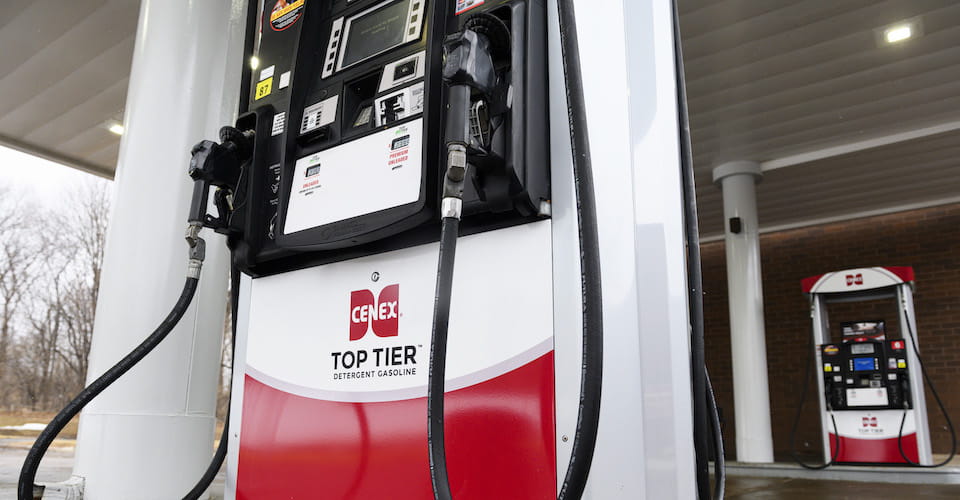
Cenex E10 91 octane gasoline
Affiliate link. We may earn a commission at no extra cost to you.
The quick take
The short version of why each pick lands where it does, built straight from the measured results.
“What we saw today was non-ethanol fuel does indeed deliver better fuel efficiency.”
The measured results
Every number below is read straight from the test. Products are listed in the order they finished.
All measurements (3 more)+
Ethanol content verification (water separation test)
- 1Hy-Vee 91 octane, non-ethanol (ethanol-free) gasoline2
ml of water added to 10 ml of gasoline settled with the line right on the 2 ml mark, confirming no ethanol separation, i.e. genuinely ethanol-free
- 2Cenex 91 octane with 10% ethanol (E10)20
ml of water added to 100 ml of gasoline settled with the line almost up to the 30 ml mark, confirming almost 10 percent ethanol content as expected for E10
Fuel efficiency (generator under load, EFI engine, two space heaters)
- 1Hy-Vee 91 octane, non-ethanol (ethanol-free) gasoline
narrator's stated conclusion: 'non-ethanol fuel does indeed deliver better fuel efficiency'; no numeric fuel-consumption figures were spoken in the transcript for either fuel
- 2Cenex 91 octane with 10% ethanol (E10)
implied worse than the non-ethanol fuel per the narrator's summary; no numeric fuel-consumption figures were spoken in the transcript
Carbon buildup (small engine comparison)
- 1Hy-Vee 91 octane, non-ethanol (ethanol-free) gasoline
narrator's stated conclusion: 'I didn't see much of a difference' versus the ethanol fuel; no numeric carbon-deposit measurements were spoken in the transcript
- 2Cenex 91 octane with 10% ethanol (E10)
narrator's stated conclusion found no meaningful difference versus non-ethanol fuel; no numeric carbon-deposit measurements were spoken in the transcript
How it was tested
- ethanol content verification via water separation (water added to a measured volume of gasoline, alcohol content read off the separation line after 15 minutes settling)
- fuel efficiency comparison using a fuel-injected generator running two space heaters under load, fuel measured by volume
- carbon buildup comparison using a small engine run on each fuel type
“What we saw today was non-ethanol fuel does indeed deliver better fuel efficiency.”
Data notes and caveats
This is a myth-test on two fuel formulations rather than a multi-brand product showdown; the specific brands used (Hy-Vee for non-ethanol, Cenex for E10) only appear in the meta chapter titles, never spoken aloud in the narration, so chapterMap is the source of the brand attribution here. The video's two central numeric tests, fuel efficiency (via the EFI generator under load) and carbon buildup (via the small engine), are both fully set up and demonstrated on camera but the actual resulting measurements are never spoken in the transcript, only qualitative conclusions ('non-ethanol fuel does indeed deliver better fuel efficiency,' 'I didn't see much of a difference' on carbon); logged to data/onscreen-only.txt since the real numbers likely exist only as on-screen graphics/charts and need video-frame recovery. Confidence set to low accordingly, even though the qualitative conclusions and the ethanol-content verification numbers are clear and unambiguous. The narrator also states a planned future video (6 to 9 months out) testing ethanol's effect on rubber/plastic carburetor components, which is not part of this video's results.
More Fuel & Additives
Which Fuel Stabilizer (plus A Separate 1-year Headlight Restoration Kit Durability Check-in) Brand Wins?
Sta-Bil
See the results
Which Diesel Anti Gel Fuel Additive Brand Wins?
Hot Shot's Secret
See the results
Which Gasoline Octane Grade Brand Wins?
87 Octane
See the results