Which Oil Additive (anti-friction / Dry-run Engine Protection) Brand Wins?
In our test we compared 2 oil additive (anti-friction / dry-run engine protection) options head to head. BestLine came out on top. See the measured results, the runner-up, the budget pick, and a link to the full test video.
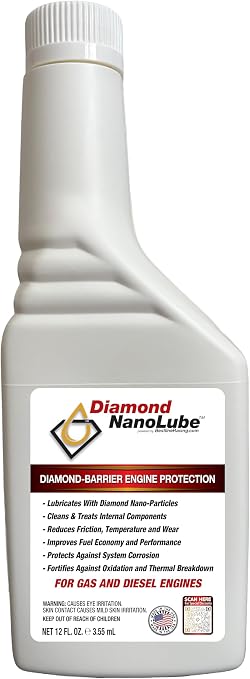
BestLine
Affiliate link. We may earn a commission at no extra cost to you.
The quick take
The short version of why each pick lands where it does, built straight from the measured results.
“I have to admit I'm pretty surprised that BestLine outperformed the conventional motor oil by such a large margin. The engine literally ran twice as long before the engine came apart.”
The measured results
Every number below is read straight from the test. Products are listed in the order they finished.
All measurements (7 more)+
Dry-run to engine failure (no oil, drain plug and dipstick removed, oil-sensor shutoff disabled)
- 1BestLine
ran about 70 minutes per narration; meta chapter title gives an exact 71:00 before failure, a little over twice as long as the conventional-oil engine
- 2conventional 10W-30 motor oil
per meta chapter title, stopped at 38:06 elapsed; narration states this engine failed first, in about half the time of the BestLine engine
Failure mode
- 1BestLine
catastrophic: thrown/shattered connecting rod (in about five pieces), a crack punched through the side of the engine block, engine seized solid though it still had compression
- 2conventional 10W-30 motor oil
engine 'stopped' (narrator's word); no damage/teardown detail given in the transcript for this engine, unlike the BestLine engine's detailed post-mortem
Lubricity tester scar, pure BestLine coating bearing/race (bearing set spinning ~800 RPM, 12.4 lb downward force)
- 1BestLine1.37 mm
in width, 2.64 mm in length - far less damage than the conventional-oil bearing; repeated a second time for reliability with consistent (very little damage) results, though no second-run numbers were spoken
- 2conventional 10W-30 motor oilnot tested
Lubricity tester scar, 1 part BestLine to 5 parts conventional oil mix
- 1BestLine5.03 mm
1.72 mm (narrator does not clearly state which figure is length vs width for this mixed-oil bearing, unlike the pure BestLine and pure conventional runs)
- 2conventional 10W-30 motor oilnot tested
Engine temperature before dry-run (with oil in crankcase, BestLine engine had 3 of 16 oz of conventional oil replaced with BestLine)
- 1BestLineabout89F
versus about 91-92F for the conventional-only engine; narrator calls this not a significant difference
- 2conventional 10W-30 motor oilnot tested
Lubricity tester scar, no additive (bearing set spinning ~800 RPM, 12.4 lb downward force)
- 2conventional 10W-30 motor oil6.03 mm
in length, 2.46 mm in width - the most damage of the three lubricity-tester bearings tested
- 1BestLinenot tested
Engine temperature before dry-run
- 2conventional 10W-30 motor oilabout91-92F
versus about 89F for the BestLine engine; narrator calls this not a significant difference
- 1BestLinenot tested
How it was tested
- lubricity tester bearing wear scar (scrap-built rig, ~800 RPM race, 12.4 lb downward force): conventional oil vs pure BestLine vs a 1:5 BestLine-to-oil mix, each with a fresh bearing
- 4-hour engine break-in on two new Predator 6.5hp (212cc) engines from Harbor Freight (per instructions, a 3-hour break-in is required; extra hour run for margin)
- 3-hour circulation run after dosing (3 of 16 oz of oil replaced with BestLine in the treated engine) to let the additive bond before the dry-run test
- engine temperature and RPM check immediately before the dry-run test
- run-to-failure with all oil drained, drain plug and dipstick removed, low-oil shutoff sensor disabled, timed to first stop
“I have to admit I'm pretty surprised that BestLine outperformed the conventional motor oil by such a large margin. The engine literally ran twice as long before the engine came apart.”
Data notes and caveats
Single-product evaluation (BestLine additive) versus a conventional-10W-30 control on two brand-new, identical Predator 212cc/6.5hp engines chosen from viewer requests after the channel's earlier Slick 50 video (referenced in the intro as having lost to conventional oil, but not retested here). Winner is BestLine for the specific claim under test (surviving longest running completely dry), but its failure was the more catastrophic of the two (thrown/shattered connecting rod, cracked block) versus the conventional engine's undetailed 'stopped'; runnerUp is left null since conventional 10W-30 is a generic baseline, not a competing brand. Exact dry-run failure times came from meta chapter titles rather than narration: conventional 10W-30 stopped at 38:06 elapsed, BestLine/10W-30 mix stopped at 71:00 elapsed - narration only gave the rounded 'ran 70 minutes, a little over twice as long.' Narrator closes by cautioning viewers to wait, since more additives will be tested against BestLine in future videos.