Motor Oil Oct 2019 Test: Which Brand Wins?
In our Oct 2019 test we compared 2 motor oil options head to head. Shell Rotella T6 5W-40 came out on top. See the measured results, the runner-up, the budget pick, and a link to the full test video. Shoppers cross-shopping 5w40 and 5w 40 synthetic oil land here for the head to head that settles it.

Shell Rotella T6 5W-40
Affiliate link. We may earn a commission at no extra cost to you.
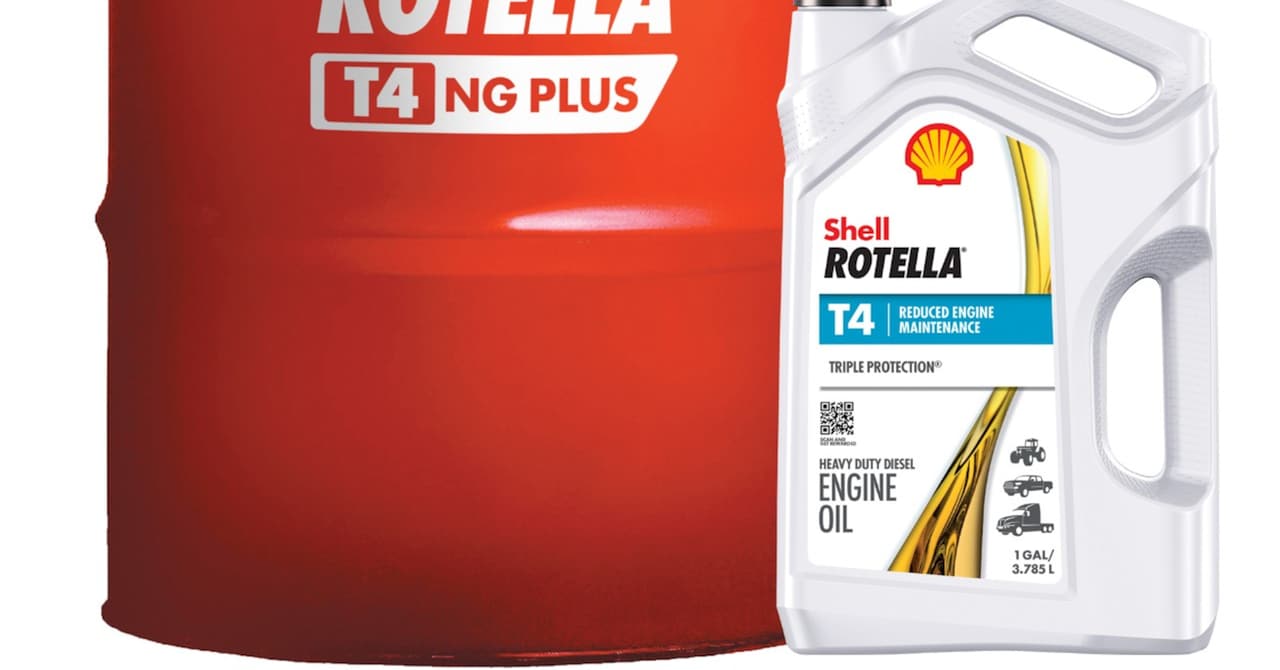
Shell Rotella T4 15W-40
Affiliate link. We may earn a commission at no extra cost to you.
The quick take
The short version of why each pick lands where it does, built straight from the measured results.
“T6 seems to have better anti-wear properties, handles the heat and cold better, but does it actually cause old seals to leak?”
The measured results
Every number below is read straight from the test. Products are listed in the order they finished.
All measurements (7 more)+
Heat Evaporation Loss 410 F 2 Hr
- 1Shell Rotella T6 5W-40 (full synthetic)
lost 6.24 g (weighed 430 g before heating, 423.76 g after)
- 2Shell Rotella T4 15W-40 (conventional, diesel rated)
lost 8.62 g (weighed 404.68 g before heating, 396.06 g after)
Lubricity Film Strength
- 1Shell Rotella T6 5W-40 (full synthetic)
narrator states T6 definitely won this showdown showing a little bit better film strength than T4
- 2Shell Rotella T4 15W-40 (conventional, diesel rated)
good anti wear properties per narrator but a little worse film strength than T6 in the wear scar comparison
Cold Flow Race Minus 40 F
- 1Shell Rotella T6 5W-40 (full synthetic)
new T6 finished 1st, out of the gate very quickly; cooked T6 finished 2nd, 2 inches behind at the line
- 2Shell Rotella T4 15W-40 (conventional, diesel rated)
new T4 finished 3rd; cooked T4 finished 4th and last, 9 and a half inches behind the winner (new T6) at the finish
Oil Analysis (TBN)
- 1Shell Rotella T6 5W-40 (full synthetic)7.5TBN
narrator says he was surprised it was this low, expected closer to 11 or 12
- 2Shell Rotella T4 15W-40 (conventional, diesel rated)11.4TBN
described by narrator as rather impressive
Oil Analysis Anti Wear Additives
- 1Shell Rotella T6 5W-40 (full synthetic)
slightly less phosphorus and zinc than T4 per narrator, no exact ppm figures given for T6 in the lab results
- 2Shell Rotella T4 15W-40 (conventional, diesel rated)1,030 ppm
phosphorus and 1,133 ppm zinc, described as a pretty robust anti wear package
Oil Analysis Detergent Dispersant
- 1Shell Rotella T6 5W-40 (full synthetic)
slightly less detergents and dispersants than T4 per narrator, no exact ppm figures given for T6
- 2Shell Rotella T4 15W-40 (conventional, diesel rated)2,118 ppm
calcium as the primary detergent and dispersant
Seal Leak Field Test
- 1Shell Rotella T6 5W-40 (full synthetic)
no oil leaks observed at the front or rear seals of the 45 year old Ford 5000 tractor after logging hours of hard work with T6 installed
- 2Shell Rotella T4 15W-40 (conventional, diesel rated)not tested
How it was tested
- pre test engine inspection for existing leaks and prior service history
- used oil filter media magnet sweep for ferrous wear metal
- 410F 2 hour heat soak evaporative weight loss
- lubricity/film strength wear scar test (40ml sample, 10 minutes)
- cold oil flow race at minus 40F, both new and heat cooked samples, 24 hours in freezer
- independent oil analysis lab report: total base number (TBN), anti wear additive ppm (phosphorus, zinc), detergent/dispersant ppm (calcium)
- real world seal leak field test: hours of hard work logged on a 45 year old Ford 5000 tractor with the test oil installed
“T6 seems to have better anti-wear properties, handles the heat and cold better, but does it actually cause old seals to leak?”
Data notes and caveats
The video's central and title framed question is a myth test, not a product ranking: does synthetic motor oil cause seal leaks in an old engine. The narrator's explicit final answer, after logging hours on the 45 year old tractor with T6 installed, is: The synthetic oil is not causing a leak on this 45-year-old tractor, immediately caveated as a sample size of one, and the narrator explicitly asks viewers for their own experiences rather than declaring the myth fully busted. Separately, ahead of the field test, the video does run a genuine head to head bench comparison of T4 (conventional) against T6 (synthetic) across heat, lubricity, cold flow, and independent oil analysis; T6 won or tied 3 of those 4 tests and the narrator gives an explicit interim verdict favoring T6 on wear, heat, and cold performance, while T4 came out ahead on the lab measured TBN figure. Engine Restore additive was added at the same oil change as the T6 fill in the tractor, an uncontrolled confounding variable for the leak test that the video does not address.