Brush Cutter Blade 2021 Test: Which Brand Wins?
In our 2021 test we compared 8 brush cutter blade options head to head. Kurt-Saw came out on top. See the measured results, the runner-up, the budget pick, and a link to the full test video.

Kurt-Saw
Price shown in test: $22 for two blades or $11 each
Affiliate link. We may earn a commission at no extra cost to you.
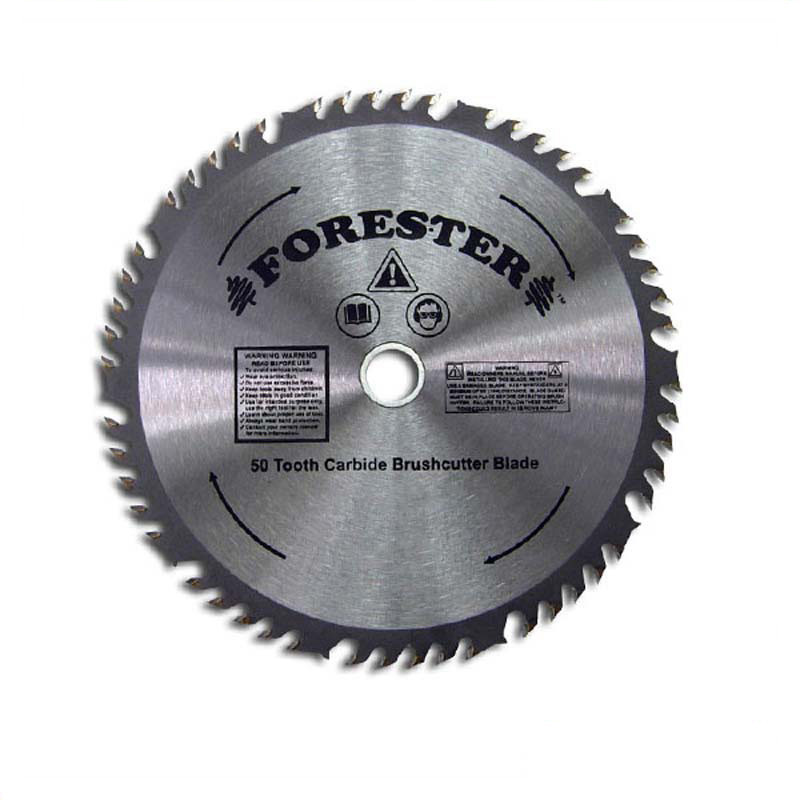
Forester 50 Tooth Carbide
Price shown in test: $18
Affiliate link. We may earn a commission at no extra cost to you.
The quick take
The short version of why each pick lands where it does, built straight from the measured results.
“the Kwik Saw blade definitely won the showdown when you consider the value price of just about $12 and it performed extremely well, especially in the first event when the blade was new”
The measured results
Every number below is read straight from the test. Products are listed in the order they finished.
Grass
- 1Kurt-Saw
cut the grass well but clippings gathered on top of the blade instead of discharging
- 2Forester 50 Tooth Carbide
cut well but clippings gathered on top instead of discharging
- 3Forester Chainsaw Carbide
large chainsaw-style cutters dispersed clippings slightly better than the carbide-tooth blades
- 4Stihl
three-tooth design dispersed clippings better than the round blades
- 5ATIE General Purpose
clippings gathered on top instead of discharging, same as the carbide brush blades
- 6Renegade Hybrid
cut well but clippings gathered on top instead of discharging
- 7Oregon
best of all the tested blades at dispersing clippings, though still worse than trimmer line
- 8AR Pro 8 in Rotary Weed Brush Kit
shredded the grass aggressively, not designed for a smooth cut like trimmer line or brush blades
1in tree
- 1Kurt-Saw
cut through like a hot knife through butter
- 2Forester 50 Tooth Carbide
very easy cut, thicker blade and teeth than Renegade and Kurt-Saw
- 3Forester Chainsaw Carbide
ripped through in a fraction of a second, slinging wood chips
- 4Stihl
very quick and easy, described as the sharpest blade tested, made of harder steel
- 5ATIE General Purpose
quick cut, did not lose too much speed
- 6Renegade Hybrid
cut through easily with no apparent speed loss, better than Kurt-Saw
- 7Oregon
quick cut but not as smooth as the carbide blades
- 8AR Pro 8 in Rotary Weed Brush Kit
took nearly 20 seconds to grind through
2in tree
- 1Kurt-Saw
lost most of its speed but cut in less than a second
- 2Forester 50 Tooth Carbide
under a second, extra weight helped maintain momentum, did not lose much speed
- 3Forester Chainsaw Carbide
shredded the tree, weight helped momentum but lost more blade speed than most other brands
- 4Stihl
struggled, needed over 11 seconds
- 5ATIE General Purpose
under a second, weight helped maintain momentum
- 6Renegade Hybrid
under a second but lost most of its speed
- 7Oregon
ripped through in under a second
- 8AR Pro 8 in Rotary Weed Brush Kit
took 45 seconds to grind through
3.5in tree new
- 1Kurt-Saw1.51 seconds
fastest of all blades when new
- 2Forester 50 Tooth Carbide2.88 seconds
- 3Forester Chainsaw Carbide2.42 seconds3rd
(third fastest at that point); closing recap instead says 'Forester, 2.47' for a Forester blade at that position in the list, a 0.05s discrepancy likely from recap rounding or caption drift
- 4Stihl
did not finish; narrator stopped the test after 30 seconds of chipping away
- 5ATIE General Purpose1.61 seconds2nd
moved into second place behind Kurt-Saw at that point in testing
- 6Renegade Hybrid7.3 seconds
about 6 seconds slower than Kurt-Saw
- 7Oregon4.05 seconds
- 8AR Pro 8 in Rotary Weed Brush Kit
not attempted, narrator judged it unsuitable after the 2in tree result
Steel pipe
- 1Kurt-Saw
wobbled on contact but cut through the pipe; minor chipping to most teeth, no missing teeth
- 2Forester 50 Tooth Carbide
left a mark but did not cut all the way through; only one missing tooth and minor chipping
- 3Forester Chainsaw Carbide
described as bouncing off the pipe like a tank, yet three teeth completely sheared off and five others took significant damage
- 4Stihl
held up very well, only minor damage to the sharpened edge, called a real tank
- 5ATIE General Purpose
cut about two thirds of the way through, worst damage of all blades in this test with 13 missing or badly broken teeth
- 6Renegade Hybrid
cut halfway through the pipe but lost five teeth with several others significantly damaged
- 7Oregon
took a big bite out of the pipe, all teeth experienced damage with rounding and dulling of the leading edge
- 8AR Pro 8 in Rotary Weed Brush Kitnot tested
Concrete block
- 1Kurt-Saw
held up well, additional wear to many teeth
- 2Forester 50 Tooth Carbide
held up well, only minor damage to carbide teeth
- 3Forester Chainsaw Carbide
held up well, only some visible wear to the cutters
- 4Stihl
only very minor wear to the sharpness of the edge
- 5ATIE General Purpose
a few more chipped teeth but far less damage than from the steel pipe
- 6Renegade Hybrid
chipping to several more teeth, but much less damage than from the steel pipe
- 7Oregon
more visible wear to the cutters than from most other blades
- 8AR Pro 8 in Rotary Weed Brush Kitnot tested
3.5in tree damaged
- 1Kurt-Saw12 seconds
- 2Forester 50 Tooth Carbide14 seconds
(from closing recap: 'Forester 52, 14'; recap mislabels the tooth count as 52 when the product intro clearly states 50 teeth)
- 3Forester Chainsaw Carbide7.3 seconds
fastest of all blades after damage despite losing teeth in the pipe test
- 4Stihl
not retested since the original 3.5in cut was never completed
- 5ATIE General Purpose21.86 seconds
- 6Renegade Hybridnearly23 seconds
over three times its original time
- 7Oregon34 seconds
slowed more by damage than any other brand
- 8AR Pro 8 in Rotary Weed Brush Kitnot tested
How it was tested
- cutting grass
- cutting a 1 inch tree sapling
- cutting a 2 inch tree sapling
- cutting a 3.5 inch tree sapling (new blade)
- durability against a steel pipe
- durability against a concrete block
- cutting a 3.5 inch tree sapling (after pipe/concrete damage)
“the Kwik Saw blade definitely won the showdown when you consider the value price of just about $12 and it performed extremely well, especially in the first event when the blade was new”
Data notes and caveats
Kurt-Saw is spelled Kwik Saw throughout the transcript; resolved against the description and matching meta chapter (Kurt Saw). Chapters only cover 5 of 8 products with prices (Renegade Hybrid $18, Forester $18, Forester Carbide Chainsaw $42, Stihl $50, Kurt Saw with no price), so chapterMap is a partial alignment, not full coverage. The narrator names a single overall winner (Kurt-Saw) but also separately praises three other blades for specific use cases in the closing verdict: Forester 50 Tooth Carbide (runner-up, captured above), Forester Chainsaw Carbide (best for heavy abuse/damage resistance), and Stihl (best for small brush and grass specifically). These are preserved as product-level notes rather than forced into runnerUp/budgetPick. The video's closing numeric recap contains at least one brand mislabel (a 2.42s figure attributed to Oregon that actually belongs to Forester Chainsaw Carbide, resolved via testing order) and one price conflict (Forester Chainsaw Carbide: $34 spoken vs $42 in chapter title).